After years in which revenue from gas exports underpinned sustained growth and poverty reduction during the presidency of Evo Morales (2006–2019), the country began importing more fuel than it exports.
According to data from the National Statistics Institute, Bolivia became a net energy importer in April 2022, when it began purchasing more fuel from abroad than it sold to other countries, breaking the trend that characterized the Morales era, during which the country’s natural resources were nationalized to finance social programs through their sale.
But many economists see Bolivia’s new situation — and the energy trade deficit the country now faces — as… a turning point for the country’s economy.
They argue that one of the essential pillars on which the model that enabled the economic policy launched by Evo Morales was based is now being called into question.
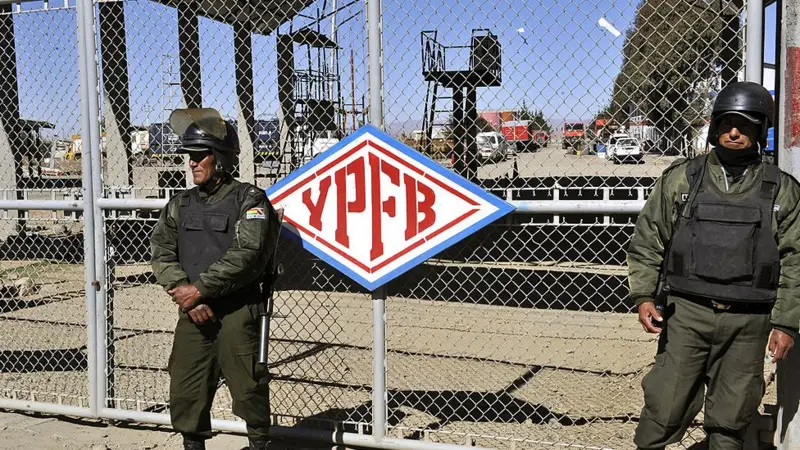
Armin Dorgathen, president of the state energy company YPFB, attributed what happened to the impact of the war in Ukraine. “Clearly, fuel imports rose because of prices and because of the war,” he said.
He also stated that the situation could be reversed through new exploration projects currently underway and by importing crude oil to be refined in Bolivia, which would make it possible to spend less on gasoline and diesel purchases. However, the analysts consulted remain skeptical.
What Is Happening
Bolivia vive desde hace ya algunos meses importando más gasolina y diésel que el gas que exporta, lo que lo ha instalado en un déficit comercial energético estimado por la consultora Gas Energy Latin America en US$1.100 millones a noviembre del año pasado. La cifra contrasta con el superávit de entre US$2.000 y US$4.000 millones de hace diez años.
According to data from the National Statistics Institute, in 2022 Bolivia imported fuels and lubricants worth US$4.066 billion, while its exports in the same category amounted to US$3.088 billion.
Los datos reflejan el encarecimiento de los combustibles provocado por la guerra de Ucrania, pero también el descenso en la producción de gas de los últimos años, que cayó a los 15,4 millones de metros cúbicos diarios después de haber superado los 22 millones en 2015.
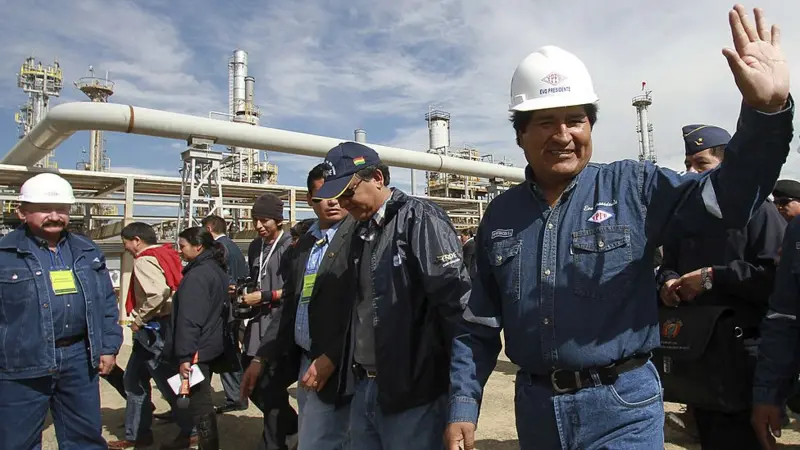
Álvaro Ríos, Bolivia’s former Minister of Hydrocarbons, told BBC Mundo that “the gas business requires investment in exploration in order to have alternative fields available when those already in production are depleted. In Bolivia, there has been almost no investment in exploration, so the fields have gradually been depleted.”
Economist Jaime Dunn recalls that YPFB’s exploration projects “have been on the table for some time and often remain only on paper.”
Economy Minister Marcelo Montenegro revealed last January that former President Morales had been overly optimistic about the country’s gas availability and had been misled by some of his senior officials.
“They told him, ‘you are sitting on a sea of gas,’ and that was a lie. Today, obviously, we are paying the price for not having explored during those years,” said Montenegro, a minister in the government of current President Luis Arce, with whom Morales has an increasingly tense rivalry for the leadership of the ruling socialist movement.
Explorar y encontrar nuevos campos de gas requiere tiempo y grandes inversiones, y Bolivia no ha sido en los últimos años un destino atractivo para las compañías energéticas internacionales.
Lian Lin, Bolivia analyst at The Economist Intelligence Unit, told BBC Mundo that “it is not easy to attract private investors to Bolivia because there is a great deal of bureaucracy and because of fears of another nationalization like the one in 2006.”
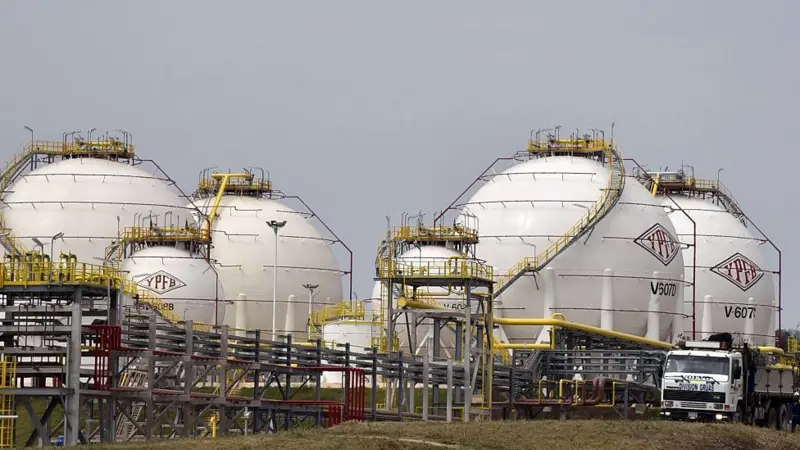
Ríos points out that in Bolivia, taxes on foreign companies seeking to exploit natural resources are “confiscatory,” which discourages investment, and that they were imposed with the sole aim of obtaining the greatest immediate benefit, rather than maintaining future production.
What Consequences Does It Have?
The decline in gas production means that Bolivia is benefiting far less than it should from the international context of high energy commodity prices caused by the war in Ukraine.
Lian Lin explains that “the natural gas boom made it possible to reduce poverty during the Evo Morales years, but Bolivia has not reformed its policies, and now they appear unsustainable.”
With fewer exports, fewer foreign currencies enter the country, and its international reserves have fallen significantly, to the point that the Central Bank announced last week that it would sell dollars directly to individuals amid reports that the currency was beginning to become scarce at bank branches and exchange bureaus.
Bolivian gas is also seeing its main markets come under threat. Brazil and Argentina, its largest customers, have intensified their search for alternatives and their own domestic production, with initiatives such as the large-scale development of the major gas and crude oil deposits in Vaca Muerta, in Argentine Patagonia.
Bolivia also maintains generous fuel support and other state subsidies, and the sustained decline in export revenues has eroded the balance of its public accounts.
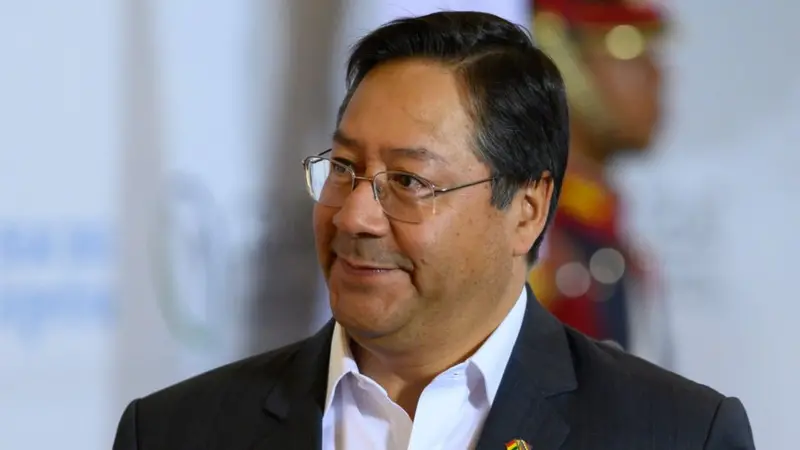
Juan Antonio Morales, ex presidente del Banco Central de Bolivia, le dijo a BBC Mundo que: «El gran problema de fondo es el déficit fiscal», ya que el Estado ha visto caer sus ingresos, pero no ha reducido sus gastos, lo que explica que haya consumido gran parte de sus reservas internacionales.
International reserves, which in 2014 stood at around US$15.5 billion, are now at a historic low of close to US$3.5 billion.
Juan Antonio Morales sees only one way forward for Bolivia and warns that it could be painful: “The solution lies in a major fiscal adjustment.”
But the government insists on the sustainability of the current model and on the strength shown by the Bolivian economy in recent years.
The coming months will show who is right in their assessment.
Text excerpted from BBC